Benefit of Extra Daylight in Nursing Homes
Older people living in institutional environments have been found to have lower daytime and higher night-time light exposure than counterparts living in the community, and this is linked to increased sleep disturbance (Schocat et al.
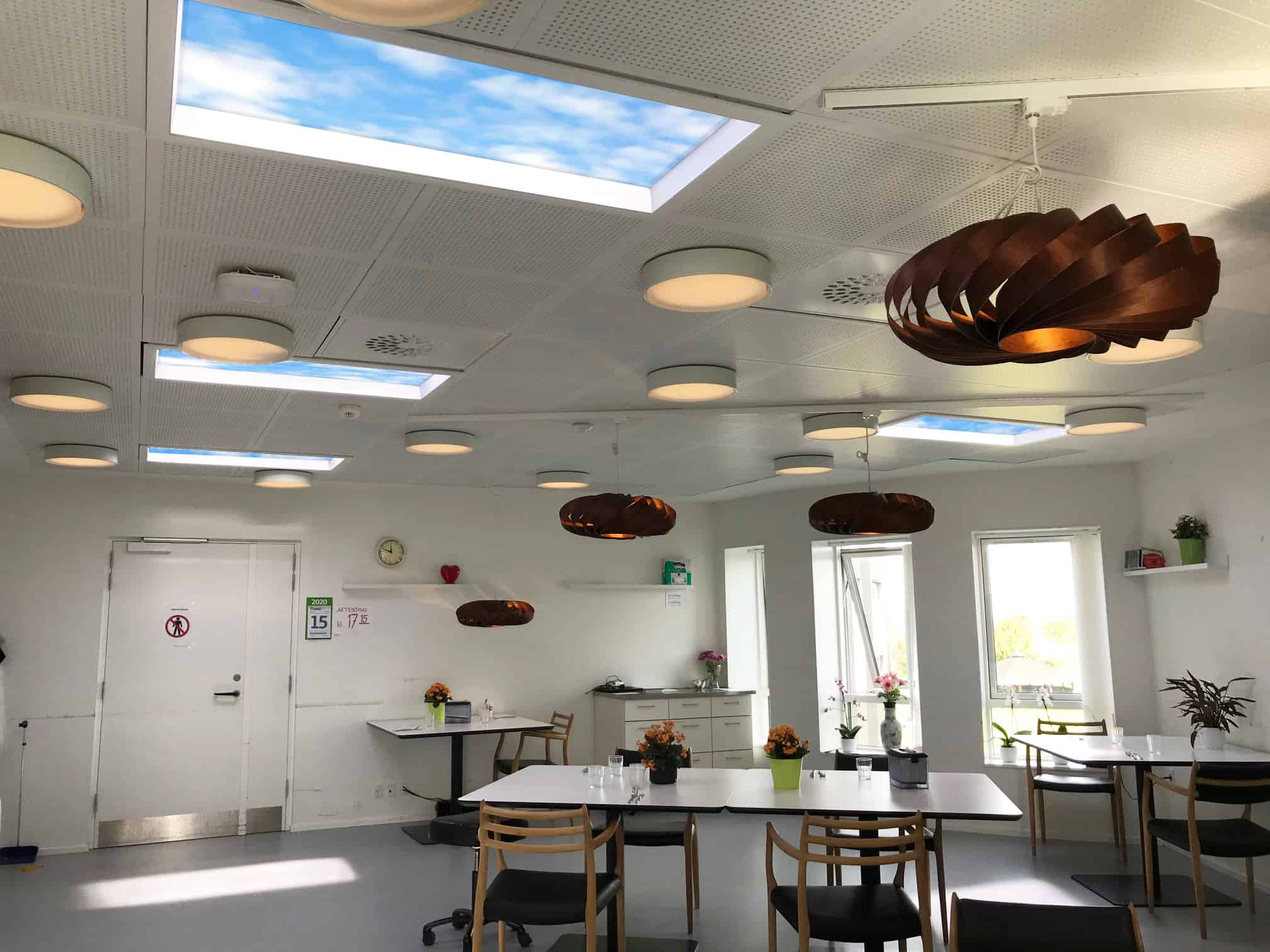
Older people living in institutional environments have been found to have lower daytime and higher night-time light exposure than counterparts living in the community, and this is linked to increased sleep disturbance (Schocat et al. 2000).
In addition, consider that at age 75, a person requires 3 times the light that a 45-year-old needs to elicit the circadian response (Turner & Mainster, 2008). If Circadian Rhythm can be positively influenced, then persons might be able to live more independent lives for longer.
In care homes, improved sleep patterns can help to reduce challenging behaviour and improve staff morale. Substantial improvement in sleep, among people with dementia in nursing homes, has been reported when a light box was used for two hours in the morning (Fetveit et al., 2003).
Extract from: Light and Lighting Design for People with Dementia, University of Stirling — Dementia Services Development Centre.
Supported by research of: Franta, G.; Anstead, K. (1994) "Daylighting Offers Great Opportunities."; Boubekri, M. et al. (2014), Journal of Clinical Sleep Medicine; Bernhofer, E. I. et al. (2014), Journal of Advanced Nursing; Sansone, R. A. & Sansone, L. A. (2013), Innovations in Clinical Neuroscience.